
Like Our Page :
Sea Safe Boat School
Arran
0429 146 201
Like Our Page :
Sea Safe Boat School
Arran
0429 146 201
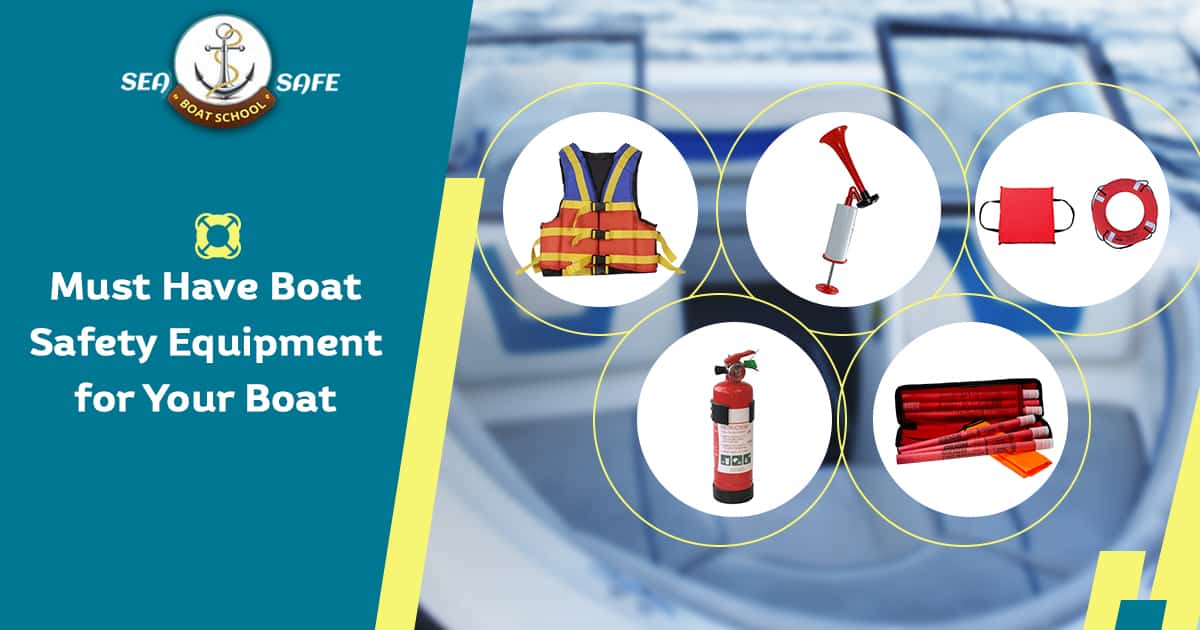
Boating is one of Australia’s most beloved pastimes, offering endless opportunities for adventure on our stunning waterways. However, while boating is fun and exhilarating, it’s essential to prioritise boat safety at all times. Whether you’re a seasoned boater or a first-time skipper, having the right safety equipment on board is not just a legal requirement – it’s a necessity that ensures the well-being of everyone on your vessel.
In this essential guide, we will walk you through the key boat safety equipment that should always be on board. From life jackets to distress signals, these items are critical for a safe and enjoyable boating experience.

Perhaps the most important safety item you’ll need is a Personal Flotation Device (PFD), commonly known as a life jacket. These devices are designed to keep you afloat if you fall overboard or are involved in an accident.
Ensure that everyone on board is wearing their life jackets when the boat is underway, and especially when conditions are rough or if you’re participating in water sports.
A fire extinguisher is essential for any boat, as the potential for fire is ever-present, particularly on vessels with fuel systems, electrical components, or cooking facilities.
Always keep the fire extinguisher in an easily accessible spot and know how to use it properly.
In the unfortunate event that you find yourself in an emergency situation, distress signals can mean the difference between life and death. Distress flares, smoke signals, and electronic signaling devices are critical in making your location known to rescuers.
Flares, signaling devices, and EPIRBs are vital for ensuring you can be located in an emergency. Check their expiration dates and replace them when needed.
Accidents can happen at any time, so it’s important to be prepared. A marine first aid kit is an essential item for your boat, whether you’re going for a short trip on a calm lake or a long adventure out at sea.
An anchor is a basic but essential piece of safety equipment that many boaters overlook. Having an anchor on board will allow you to secure your boat in case of an emergency or if you need to stop and wait for help.
If you’re planning to be on the water at night or in low visibility conditions, navigation lights are a legal requirement in Australia. They help other boaters identify your boat’s position, direction, and intentions.
Ensure all your lights are working before you head out, and carry spare bulbs and batteries.
Water can sometimes accumulate in the bottom of your boat, especially in choppy conditions or if there’s a leak. A bilge pump is essential for removing excess water from the bilge, keeping your boat buoyant.
Aside from physical safety equipment, it’s crucial to ensure that all the necessary paperwork is on board.
A waterproof torch or flashlight is essential for night-time navigation or emergency situations. Ensure your torch is strong, reliable, and water-resistant.
While boating is a thrilling experience, safety must always come first. Equipping your boat with the right safety gear ensures you’re prepared for any situation, whether it’s an unexpected weather change or a medical emergency. Make sure to check your equipment regularly, know how to use it, and ensure everyone on board is familiar with safety procedures.
If you’re looking for more advice on boating safety or need training on how to use these essential safety tools, visit Sea Safe Boat School for further resources and expert guidance. Safe boating is responsible boating

Mike Watson, chef instructor of Sea Safe Boat School, has over 35 years of sea-going experience. Starting his maritime journey at 15 in Grimsby, England, he's sailed locations like Iceland and Greenland. Certified as a Master-5 Trainer, Mike is now dedicated to offering courses to those pursuing their recreational skippers ticket in Perth.

Authorised Provider

 RTO Code: 91487
ABN 31 440 985 785
RTO Code: 91487
ABN 31 440 985 785Copyright all rights reserved © Sea Safe Boat School. Website by Selling Online Made Simple. Sitemap.